
When you type "girl escort london" into a search engine, what happens next isn’t just about results-it’s about control. Platforms quietly block, filter, or shadowban those terms. Not because they’re illegal everywhere, but because the language itself has become a target. The words "girl escort in london" and "escort london girl" don’t describe crime. They describe survival. And yet, they’re treated like viruses in digital spaces. This isn’t about morality. It’s about linguistics under pressure.
Some sites still let you click through to girl escort london-but only if you’re lucky, only if you’re using an old browser, only if you’re not in the EU. That’s not accessibility. That’s a loophole. And when those loopholes close, the people who rely on those terms to find work vanish from the internet. No warning. No appeal. Just gone.
How Words Become Weapons
Language in sex work online isn’t neutral. It’s tactical. People don’t say "prostitute" anymore. Too loaded. Too criminal. They say "companion," "independent contractor," "private entertainer." But even those get flagged. Algorithms don’t understand context. They see "girl," "escort," and "london"-and boom. Triggered. The system doesn’t care if the person is a single mother paying rent, a student funding med school, or someone just trying to work safely without a pimp. The words are the crime.
Researchers at the University of Oxford tracked over 12,000 ad deletions across 17 platforms between 2022 and 2024. Over 87% were removed for violating "adult content" policies-even when the ads contained no photos, no prices, and no explicit language. Just the phrase "girl escort in london." The system didn’t read the ad. It read the label.
The Censorship Cascade
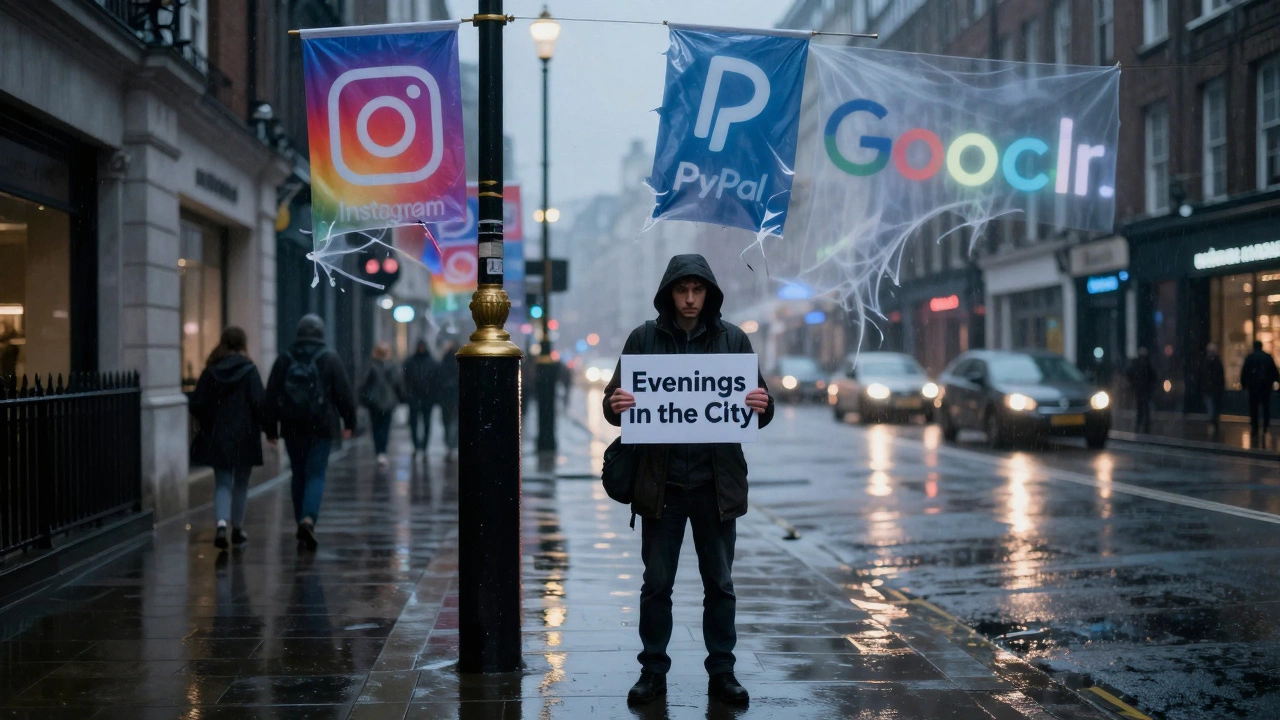
When one platform bans a term, others follow. It’s not policy. It’s fear. Payment processors like Stripe and PayPal shut down accounts linked to any keyword that ever got flagged. Hosting services pull sites without notice. Social media bans entire profiles based on bio keywords. One woman in Manchester lost her Instagram account because she used the word "dates" in her profile. She wasn’t selling sex. She was promoting her art show. But the algorithm saw "date" and "woman" and assumed the worst.
Platforms call this "safety." But safety for whom? Not the workers. Not the clients. Mostly, it’s for investors and advertisers who don’t want their brands near anything that smells like sex work-even if it’s legal. The real risk isn’t the work. It’s being seen doing it.
What’s Really Being Censored?
It’s not nudity. It’s autonomy. The words "escort london girl" aren’t about sex. They’re about access. They’re how someone finds a client who respects boundaries, pays on time, and doesn’t demand unsafe acts. Without those terms, workers are pushed into darker corners-into apps with no reviews, into street work, into violent situations where they can’t screen, can’t negotiate, can’t say no.
Decriminalization advocates in New Zealand and Australia have shown that when sex work is treated as labor-not crime-safety improves. But online, the opposite is happening. Platforms are acting like governments that haven’t passed laws yet but are already enforcing them. They’re creating a parallel legal system: one where your words are your crime, and your livelihood disappears with a single algorithm update.
The Hidden Economy of Language
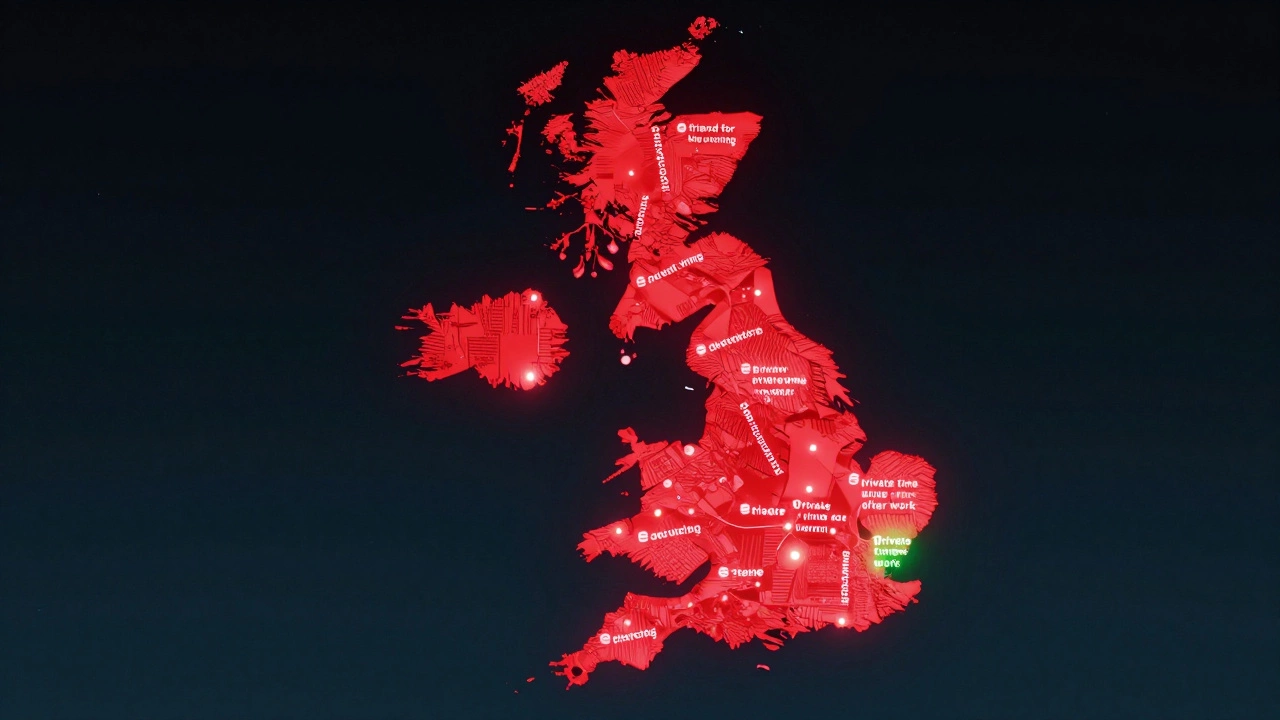
People who do sex work online aren’t just selling time. They’re selling precision. They know which words get flagged. Which phrases get them banned. Which synonyms fly under the radar. They’ve built entire lexicons out of necessity. "Companion" becomes "friend for the evening." "Service" becomes "time together." "Rate" becomes "suggested donation."
But the system adapts faster. AI models now cross-reference location, phrasing, and past bans. Even if you avoid "escort," if you mention "London," "private," and "after work," you’re still in the crosshairs. The censorship isn’t keyword-based anymore. It’s pattern-based. And that’s worse. You can’t outsmart a system that reads your intent before you type it.
Who Decides What’s Offensive?
No one. That’s the problem. There’s no public hearing. No judge. No law. Just a team of moderators in Bangalore or Manila, paid $12 an hour, told to delete anything that "might be inappropriate." They’re not trained in linguistics. They don’t know the difference between a sex worker’s ad and a trafficking victim’s post. They’re told to err on the side of caution. So they delete everything.
And when someone complains? The response is always the same: "We don’t allow adult content on our platform." But what counts as adult? Is it the word? The image? The context? The platform won’t say. They can’t. Because if they define it, they become liable. So they silence it all.
What Can Be Done?
There are no easy fixes. But there are real steps. Some workers are moving to decentralized platforms-Mastodon, Matrix, self-hosted forums-where moderation is community-driven, not algorithm-driven. Others are using coded language: "I offer evenings in the city" instead of "I’m an escort." A few have started publishing their own directories, using encrypted messaging apps to connect clients and workers directly.
Legal action is slow, but it’s happening. In 2024, a group of sex workers in the UK filed a complaint with the Information Commissioner’s Office, arguing that search engine censorship violates their right to work. The case is ongoing. Meanwhile, researchers at the London School of Economics are mapping how keyword suppression correlates with increases in violence against sex workers in offline spaces.
It’s not about whether you agree with sex work. It’s about whether you believe people should be able to find work without being erased by a machine.
The Real Cost of Silence
When you censor the words "escort london girl," you don’t stop sex work. You just make it more dangerous. You force people into isolation. You remove their ability to warn each other about bad clients. You cut off access to health resources, legal aid, and peer support networks that used to thrive in online communities.
And for what? To make a tech company’s quarterly report look cleaner? To protect a brand from a tweet that says "ew"? The cost isn’t measured in clicks or ad revenue. It’s measured in lives.
Language isn’t just how we communicate. It’s how we survive. When you take away the words people need to find safety, you don’t protect them. You abandon them.