
People talk about escorts like they’re just another part of the nightlife scene-something you see in movies, hear about at parties, or scroll past on a late-night feed. But if you’ve ever spent time talking to someone who actually works in this space, you’d know it’s nothing like the stereotypes. There’s a whole world behind the headlines, the ads, and the whispered rumors. And it’s not just about escort girl sex in london. It’s about autonomy, risk, loneliness, and survival in a city that rarely stops moving.
Take London, for example. The city has over 12,000 individuals working in independent escort services, according to a 2024 Home Office survey. That’s more than the number of firefighters or paramedics in the entire Greater London area. Most of them aren’t part of organized crime rings or trafficking networks. They’re single parents, art students, nurses on night shifts, and recent immigrants trying to make rent. One woman I spoke to in Peckham-let’s call her Lina-told me she started after her husband left and the childcare costs ate up her salary. She now books clients through a vetted platform and never takes a job without a background check. She also has a panic button linked to a friend. Her profile says "asian escort girl london," but what she doesn’t say is that she tutors kids in math on weekends.
There’s a reason you hear more about "escort girl east london" than about the people behind the ads. The media doesn’t cover the quiet victories. Like the woman in Walthamstow who saved enough to buy a small flat after two years of working part-time. Or the non-binary escort in Hackney who uses their income to fund gender-affirming care. These aren’t stories that get clicks. But they’re the ones that matter.
It’s Not About the Sex
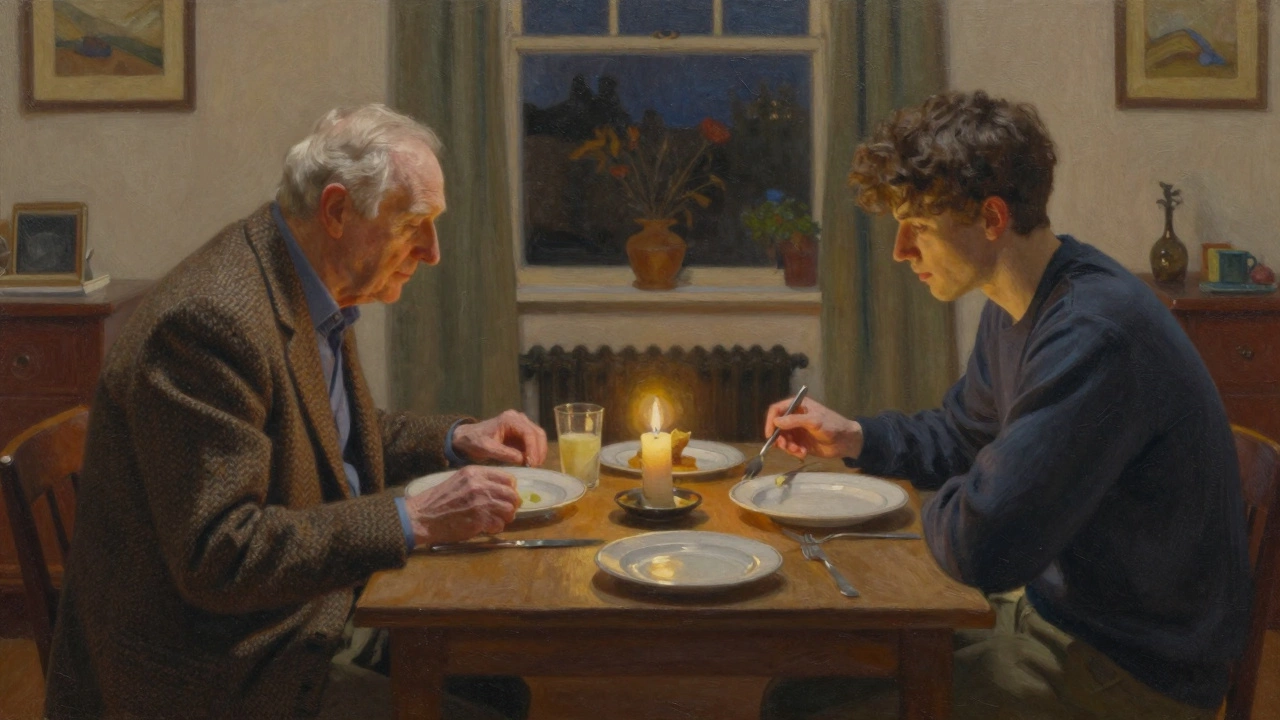
Let’s get this out of the way: most clients aren’t looking for sex. They’re looking for company. A listening ear. A warm presence after a long week. A conversation that doesn’t revolve around their job, their divorce, or their anxiety. One client, a retired teacher from Brixton, told me he booked a session every two weeks because his wife passed away and his kids live abroad. "I don’t need her to touch me," he said. "I just need someone to sit with me while I eat dinner."
That’s the reality most people don’t see. The industry isn’t built on raw desire. It’s built on human loneliness-and the willingness of some to fill that gap, for a fee. The physical aspect, when it happens, is often the smallest part of the transaction. Many escorts set strict boundaries. Some only do dinner dates. Others only do massage. A few won’t even let a client hold their hand. The rules are personal, and they’re rarely negotiable.
The Hidden Costs
Working as an escort isn’t glamorous. It’s exhausting. You’re constantly performing. Smiling when you’re tired. Being charming when you’re anxious. Pretending you’re not counting the minutes until you can go home. There’s no sick leave. No pension. No health insurance. And if you get hurt-or worse, assaulted-there’s no workplace protection. The police won’t always take your report seriously. Courts won’t always believe you.
Some escorts carry trauma. Some have been trafficked. But many others chose this path because it’s the only way they can afford to keep their kids in school or pay for their mother’s medication. The stigma doesn’t help. One escort in Croydon told me she changed her last name, moved cities, and deleted all social media because her brother’s school threatened to expel his daughter if they found out who her aunt was.
How the System Works (Without the Drama)
Most independent escorts don’t work for agencies. They use apps like OnlyFans, MyEscorts, or local forums. They create profiles, set their own rates, and manage their own calendars. Some charge £150 an hour. Others charge £50 for a coffee date. The price isn’t about looks-it’s about time, risk, and emotional labor. A client once asked an escort in North London why she charged more on weekends. She replied: "Because I don’t get to see my son on Saturdays. I’m selling my time, not my body."
Platforms have rules now. You need ID verification. You need to confirm you’re over 18. You need to report any suspicious behavior. The bad actors are being pushed out-not by the law, but by the community itself. Escorts are creating safety networks. They share client names. They warn each other about repeat offenders. They meet up for coffee before big events to check in.

Why the Stereotypes Stick
Why do we still think of escorts as either victims or villains? Because it’s easier than facing the truth: that this industry exists because our society fails so many people. We don’t pay enough for care work. We don’t support single parents. We don’t fund mental health services. So people turn to the only option that gives them control: their own time, their own body, their own rules.
And then we turn away. We call them names. We block their ads. We pretend they don’t exist. But they’re still there-in every neighborhood, every postcode, every quiet flat where someone just needs to feel seen.
What’s Changing
Slowly, things are shifting. In 2023, the UK government started funding pilot programs in Manchester and Bristol to help sex workers access housing, legal advice, and mental health support. London’s City Hall is considering a similar initiative. Some universities now offer courses on sex work as labor rights, not criminality. And more people are starting to ask: Why are we punishing the people who are trying to survive, instead of fixing the systems that pushed them here?
Change won’t come from raids or arrests. It’ll come from listening. From recognizing that an escort isn’t a label. She’s a person. He’s a person. They’re someone’s daughter, brother, friend, neighbor. And they deserve dignity-not judgment.
If you’ve ever wondered what it’s really like to be an escort in London, don’t look at the ads. Don’t read the gossip. Talk to someone who’s lived it. You might be surprised by what you hear.